
🏙️ Residential Gems · Authentic Footsteps
Tokyo Suburbs
Local life, community hubs, and character-rich neighborhoods thriving entirely beyond the textbook guidebook loops.
Most visitors never leave the tourist circuit between Shinjuku and Asakusa. But the suburbs — Shimokitazawa, Koenji, Sangenjaya, Kichijoji — are where Tokyo's real personality lives. Independent music venues, second-hand bookshops, neighborhood festivals, and parks where families spend their Sunday. Terry grew up in this kind of environment and loves showing visitors what daily life in Japan actually looks like.
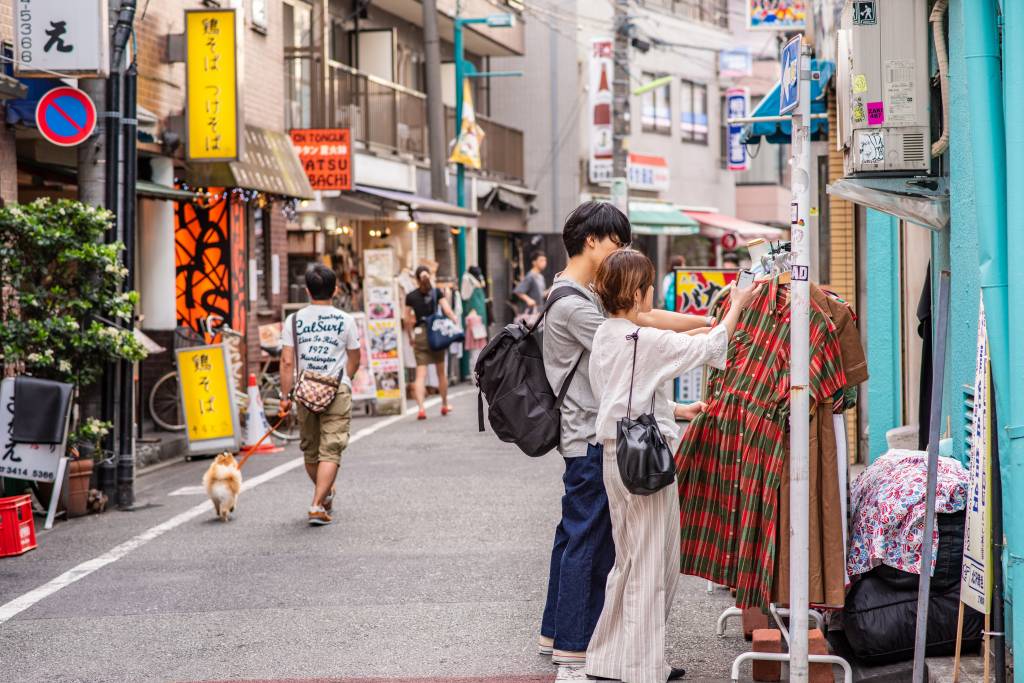
Shimokitazawa is Tokyo's most beloved bohemian neighbourhood — a dense tangle of narrow lanes, vintage clothing markets, live music venues, independent coffee shops, and small theatres that has been the city's creative heartland since the 1970s, when musicians, actors, and students began settling here in preference to more expensive central districts. The neighbourhood sits across two train lines (Odakyu and Keio Inokashira) but has resisted the redevelopment pressure that typically follows rail access in Tokyo, its low-rise character protected partly by zoning and partly by the fierce local pride of its residents and business owners. The result is one of the few places in the city where a genuinely pre-bubble urban texture has survived more or less intact.
The covered shotengai market streets north of the station — Shimokitazawa Ichibangai and the surrounding alleys — are the best introduction: record shops with carefully curated stock, vintage clothing stores where the curation is the point rather than the volume, kissaten coffee shops that have been roasting and brewing the same way for forty years, and standing ramen counters that fill with musicians and theatre workers after the evening performances end. The live music scene here is the most active in Tokyo outside Shibuya: on any given evening, ten or fifteen small venues within a five-minute walk of the station are presenting original music by acts ranging from students at their first gig to established artists who still prefer a small room over a large stage.
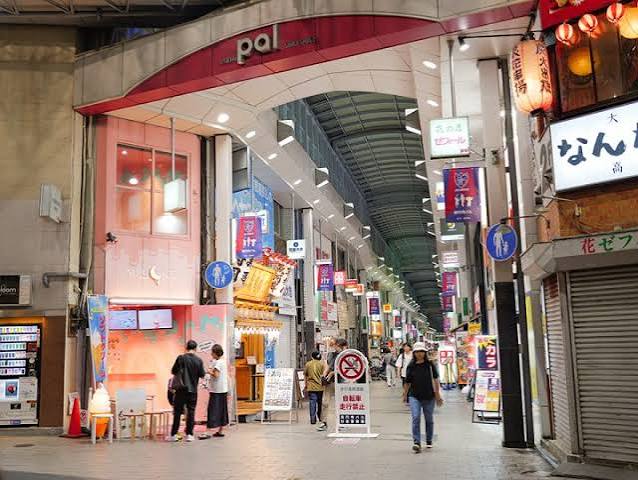
Koenji has been Tokyo's counter-culture alternative to Shimokitazawa since the early 1970s, when a different strand of the city's creative community — more politically engaged, more interested in folk music and protest than theatre and jazz — settled around the Chuo Line station in the backstreets of Suginami Ward. The neighbourhood has the highest concentration of second-hand bookshops and vintage record stores in western Tokyo, and its covered shotengai network — Pal Shopping Street, Look Shopping Street, Sun Mall — contains a remarkable density of independent food businesses operating in spaces that haven't changed much since the Showa era.
What distinguishes Koenji from Shimokitazawa is its relationship with food: where Shimokitazawa runs on coffee and casual eating, Koenji has a serious izakaya culture rooted in the neighbourhood's working-class history, and the back alleys around the south exit fill each evening with a clientele that mixes long-term residents, artists, and office workers from the surrounding wards in a way that feels genuinely mixed rather than curated. The area hosts the Koenji Awa Odori festival in late August — one of the largest outdoor dance festivals in Japan, drawing hundreds of thousands of spectators to watch teams of dancers perform the traditional Awa dance through the shotengai streets. Outside festival season, the neighbourhood is quieter and the shops and bars easier to explore at a pace that suits their character.
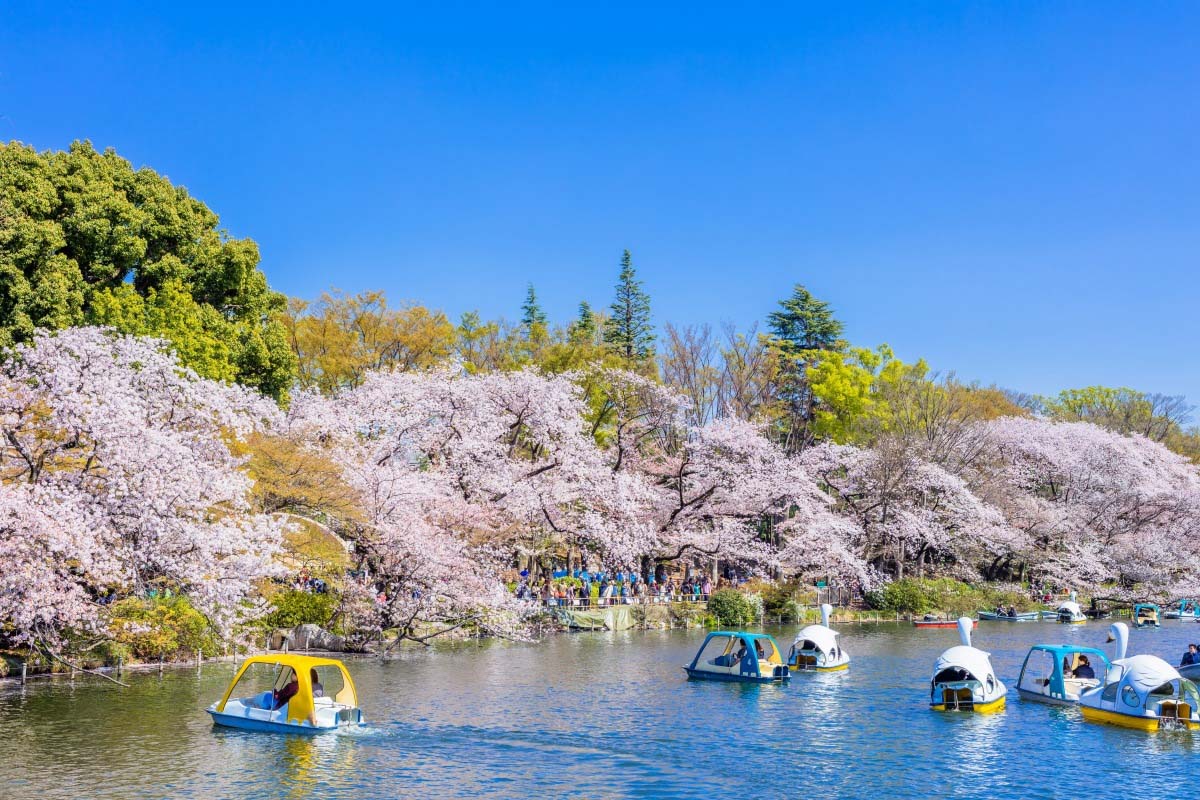
Inokashira Park and the surrounding neighbourhood of Kichijoji are consistently voted by Tokyo residents as the place they would most like to live — a judgement that reflects the rare combination of qualities the area offers: a large, genuinely beautiful park centred on a natural spring-fed lake, directly adjacent to one of the most carefully curated shopping and eating precincts in the city, all within twenty-five minutes of Shinjuku on the Keio Inokashira Line. The park itself dates to 1917 and covers 38 hectares of woodland and open water, its northern shore facing the main Kichijoji shopping street while its southern reaches extend into quiet forest paths that feel remarkably removed from the surrounding city.
The lake at the centre of the park is the source of the Kanda River, one of the waterways that historically supplied Edo with fresh water, and the small Benzaiten shrine on the island in the middle of the lake has been a destination for Tokyoites since the Edo period. In spring the park's cherry trees produce a blossom display that draws enormous crowds — the hanami parties under the lakeside cherries are among the most atmospheric in the city. The Kichijoji shopping streets immediately north of the park — particularly the covered Daiyon Kichijoji shotengai and the narrower Harmonica Yokocho alley of tiny bars — are the finest expression of the neighbourhood's character: independent, quality-conscious, and entirely resistant to the homogenisation that has overtaken similar areas closer to central Tokyo.
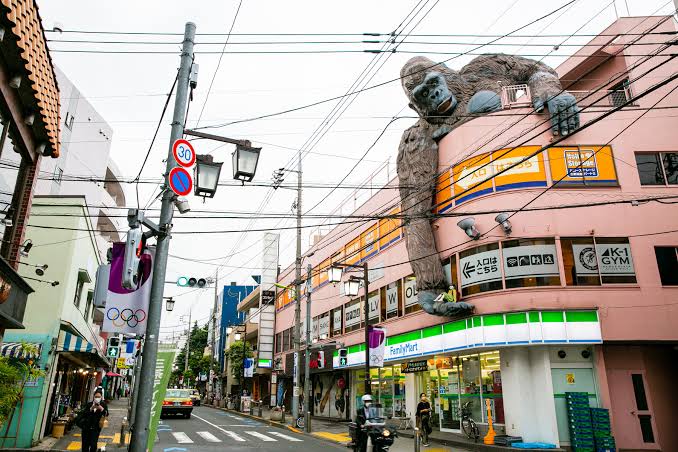
Sangenjaya — affectionately known as Sancha by its residents — is the neighbourhood that most closely approximates what Shimokitazawa was twenty years ago: genuinely local, slightly chaotic, entirely uninterested in presenting itself for external approval, and home to a bar and restaurant culture of exceptional quality operating in spaces that look unremarkable from the outside. The neighbourhood sits on the Tokyu Den-en-toshi Line, one of the busiest commuter lines in Tokyo, and processes an enormous amount of foot traffic through its two interconnected shotengai — the Sangenjaya Sun Road and Bell Street arcades — without ever acquiring the polish that such traffic usually brings.
The area around Sancha's famous Triangle — the triangular block of bars and small restaurants behind the station's west exit — is one of the most rewarding drinking and eating zones in Tokyo for visitors who know where to look. The streets are dense with small izakayas, yakitori counters, standing bars, and the occasional unmarked door that opens into something completely unexpected. The neighbourhood also has a strong live music culture, several serious coffee roasters, and a weekend flea market tradition that brings vintage clothing and furniture sellers to the spaces under the elevated railway tracks. Sangenjaya is the Tokyo that belongs entirely to the people who live there — which is exactly what makes it worth visiting.

Jiyugaoka occupies a quiet corner of Meguro Ward in southwestern Tokyo that has built an extraordinary reputation around an unlikely speciality — French and European patisserie. The neighbourhood's streets have an unusually continental feel for Tokyo: low-rise buildings with wrought iron detailing, a central plaza with outdoor seating, and a density of high-quality cake shops, bakeries and chocolate makers that has earned Jiyugaoka the title of Tokyo's sweets capital. The area developed this character through a combination of its relatively affluent residential population and a civic identity that leaned deliberately toward European aesthetics from the postwar period onward — an identity that has become self-reinforcing as the patisseries draw visitors who sustain the neighbourhood's upscale character.
Beyond the sweets culture, Jiyugaoka rewards slower exploration. The streets around the main shopping area contain independent clothing boutiques, home goods shops, florists and wine bars that reflect the tastes of a neighbourhood inhabited by people who genuinely live here rather than pass through. The covered La Vita complex — a small canal-side development built to evoke a northern Italian village — is a favourite photography spot that somehow avoids feeling like a theme park, perhaps because the surrounding streets are so thoroughly and authentically residential. Terry tends to arrive in Jiyugaoka in the mid-afternoon when the patisseries are freshly stocked and the streets are at their most walkable.
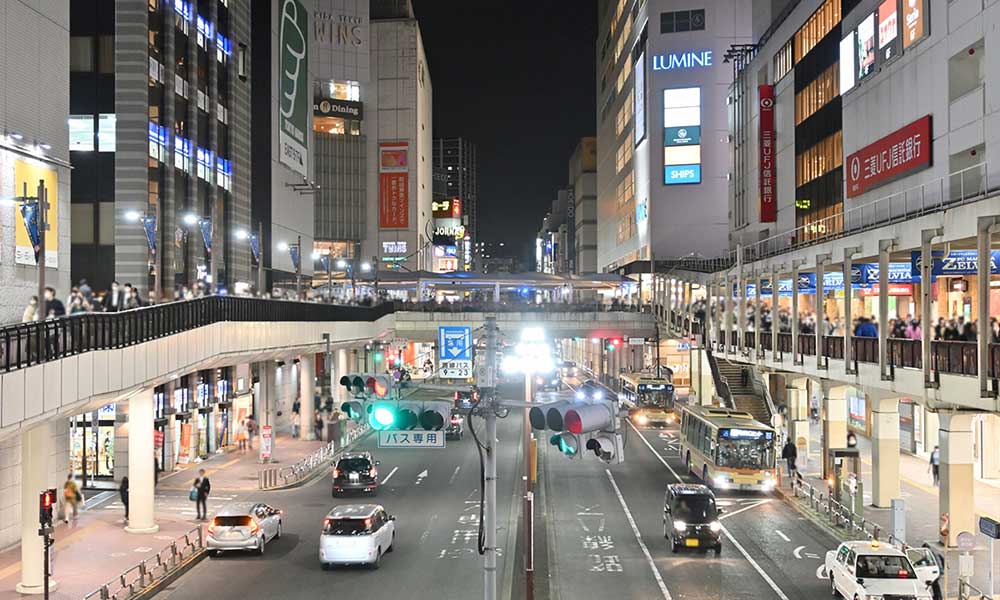
Machida sits on the southwestern edge of Tokyo in an area that most visitors — and many Tokyoites — mentally assign to Kanagawa Prefecture, though the city itself falls just inside the Tokyo Metropolitan boundary. This peripheral position has given Machida a character quite different from the more central suburban neighbourhoods: it developed as a significant commercial hub for the surrounding towns and cities of southwestern Tokyo and northern Kanagawa, and its shopping streets, department stores, and entertainment facilities reflect a city that serves a large regional population rather than a bedroom community commuting to the centre. The Odakyu Line makes Shinjuku thirty minutes away, but Machida has never felt like a satellite of anywhere — it has always been its own thing.
The city centre contains one of the finest covered shotengai networks in the Tokyo suburbs — several interconnected arcades of independent shops, restaurants, and food stalls radiating from the main station — alongside a strong cafe culture, several serious bookshops, and a music scene that has produced a disproportionate number of significant Japanese acts. The Tsurukawa area to the north offers a completely different character: quieter residential streets with an exceptionally good local restaurant scene that serves the surrounding neighbourhood rather than passing trade. Terry has lived in Machida for over two decades and knows it at a depth that no guidebook covers — the seasonal rhythms of the market streets, the bakeries and coffee shops that local residents actually use, and the walking routes through the hills to the south that reveal a Tokyo landscape most visitors never see.
Terry has been exploring Tokyo Suburbs for years and knows it at every level — the famous spots and the hidden ones. He can include it as part of a wider day tour, or design a visit specifically around it.
All tours are fully private — no shared groups, no set script. Tell Terry what you're interested in and he'll shape the experience around you.
Terry will guide you seamlessly across Tokyo's train network between neighborhoods — all transit fares are included in your flat rate, so there's no ticket-counter fumbling or lost time at stations.
Most areas in Greater Tokyo are within 30–60 minutes of central Tokyo by train.
* Terry's personal transit, admissions & meals are also included — no hidden costs on the day.