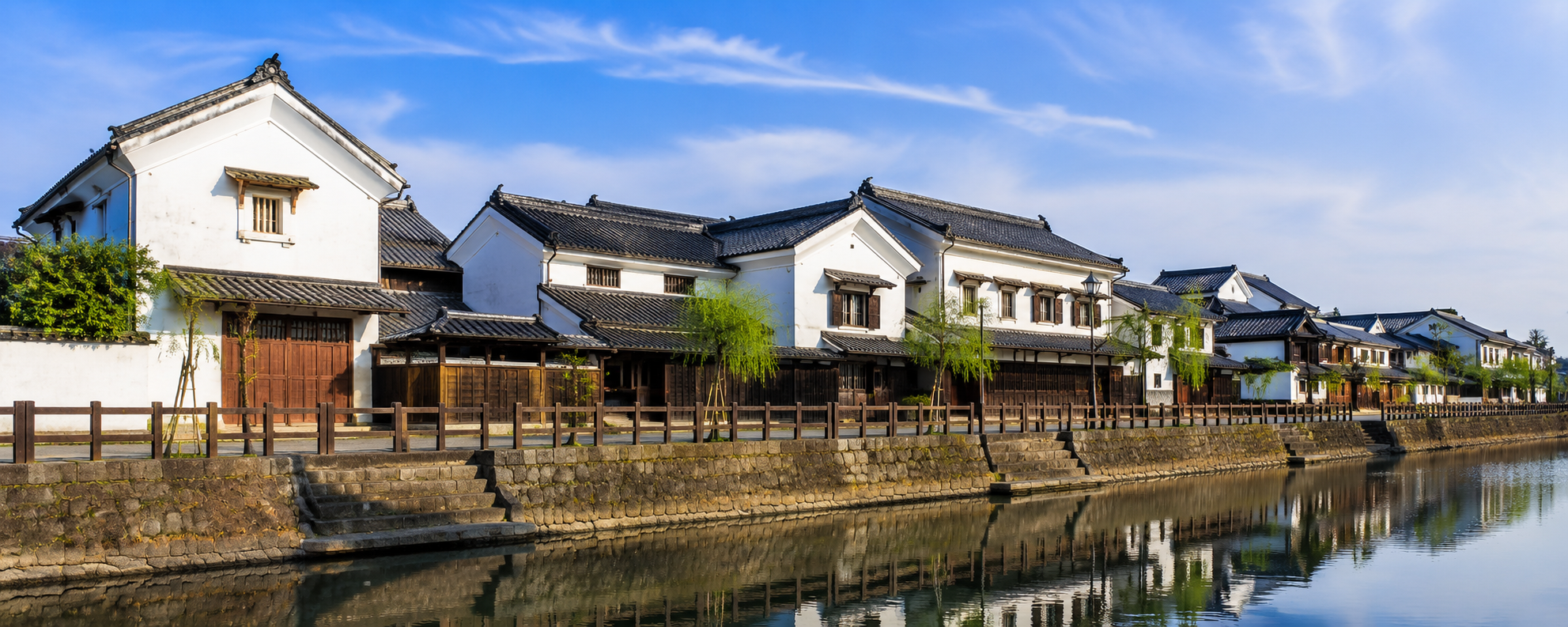
🏯 Little Edo · Merchant Warehouses
Tochigi
A perfectly walkable step back into the Edo period — white-walled merchant warehouses, a slow boat down the Uzuma River, and centuries of festival float history.
Often called "Little Edo," Tochigi City is famous for its Kuranomachi district — a preserved merchant area lined with beautiful 19th-century white-and-black walled warehouses (kura) along the scenic Uzuma River. Because the main sights sit close together along the water, it's one of the most walkable day trips within reach of Tokyo, blending Edo-period architecture, a traditional river boat ride, and a lively local food and craft scene into a single relaxed day.

A 15-minute walk north from Tobu-Tochigi Station leads to the Kuranomachi Promenade, where 19th-century white-and-black walled kura warehouses line the banks of the Uzuma River in one of the best-preserved merchant streetscapes in the Kanto region. These earthen-walled storehouses were built by wealthy Edo-period merchants who grew rich shipping goods along the river toward Edo, and their thick walls and small windows — designed to protect stored rice, textiles, and valuables from fire — give the street its distinctive, fortress-like character. Hundreds of colorful koi swim in the canal below, one of the most photographed details of the townscape.
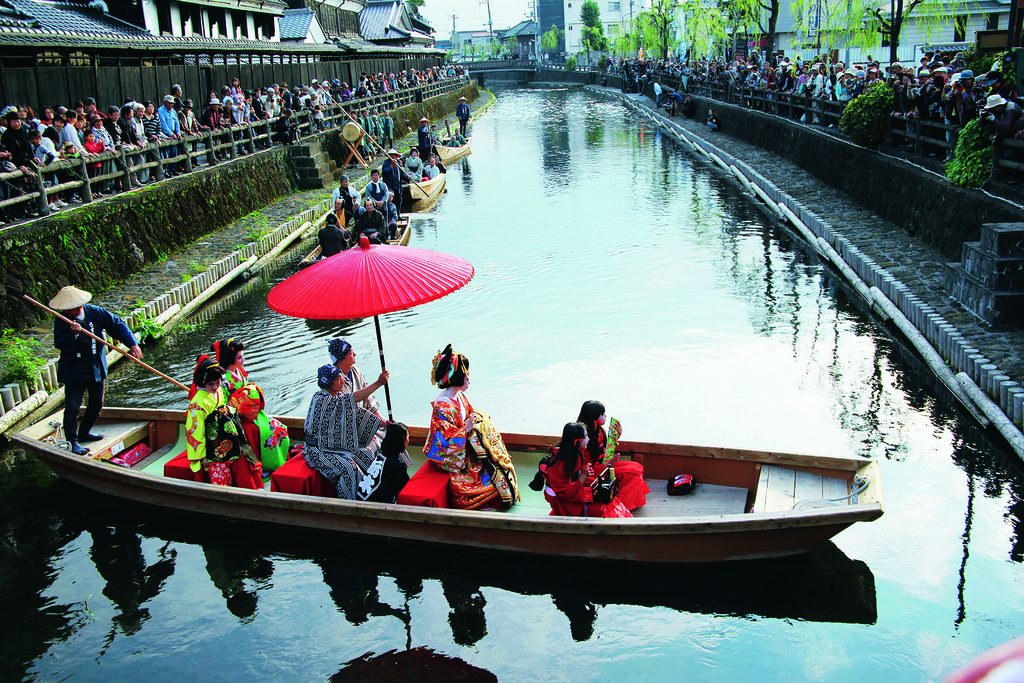
A traditional pleasure boat carries passengers along the Uzuma River past the same kura warehouses seen from the promenade above, this time from water level, where the scale and detail of the old storehouses become even more apparent. A boatman guides the flat-bottomed vessel with a long wooden pole rather than an engine, and on most rides breaks into traditional local folk songs as the boat drifts past the historic townscape — a small but memorable touch tying the ride to the river culture that once made this waterway the economic lifeline of the town. The slow pace gives an entirely different rhythm to the same streets walked earlier.
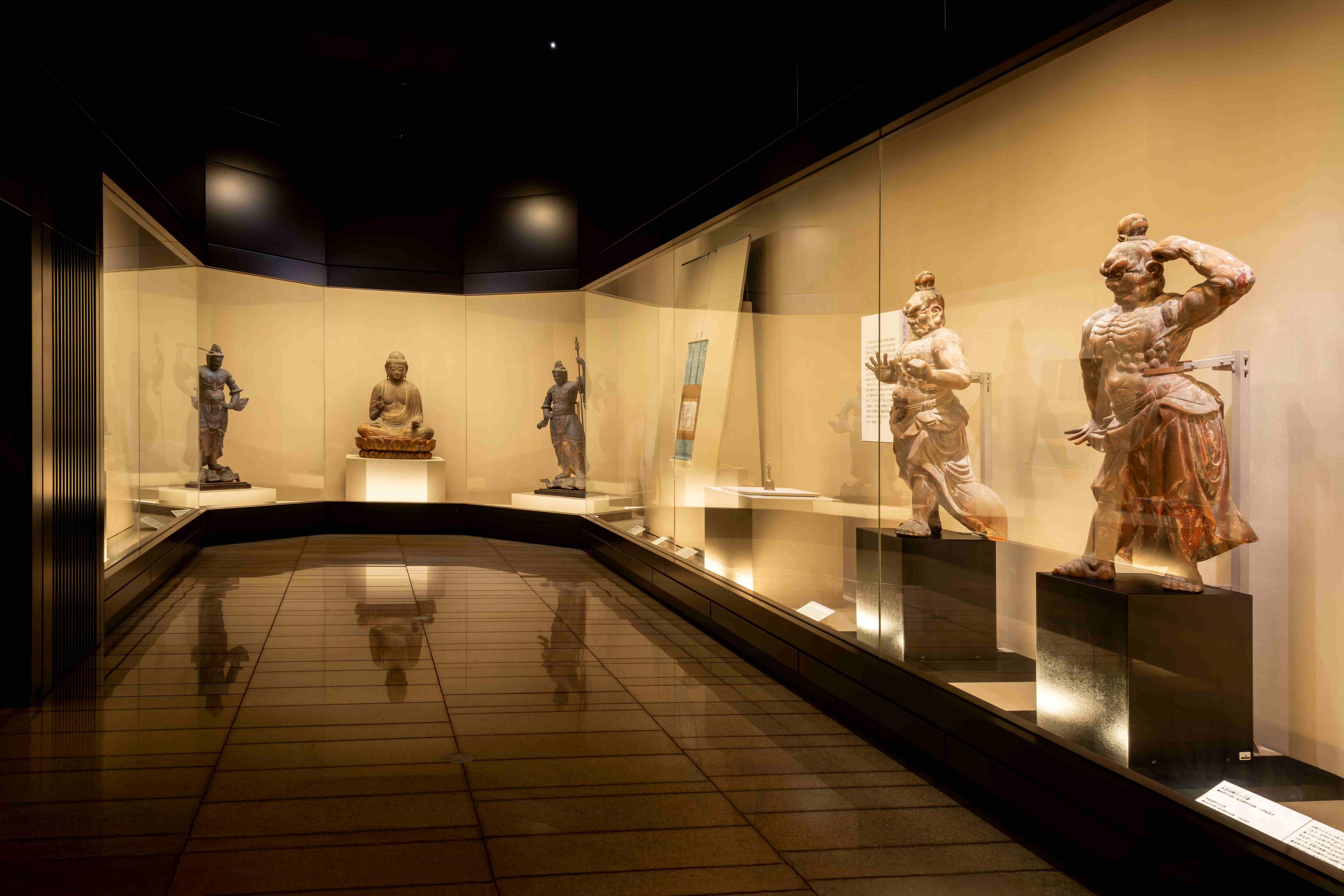
The Okada Memorial Museum preserves the former residence of the Okada family, hereditary local magistrates (nanushi) who administered the Tochigi area on behalf of the Tokugawa shogunate for over three centuries. The sprawling compound includes a formal residence, storehouses, and a landscaped strolling garden with a pond, offering a rare look at how a family with both administrative authority and merchant wealth actually lived — distinct from the trading-house warehouses seen elsewhere in Kuranomachi. Several rooms display period furnishings, documents, and artifacts tied to the family's centuries of local governance, and the garden itself remains one of the most peaceful spots in the district.
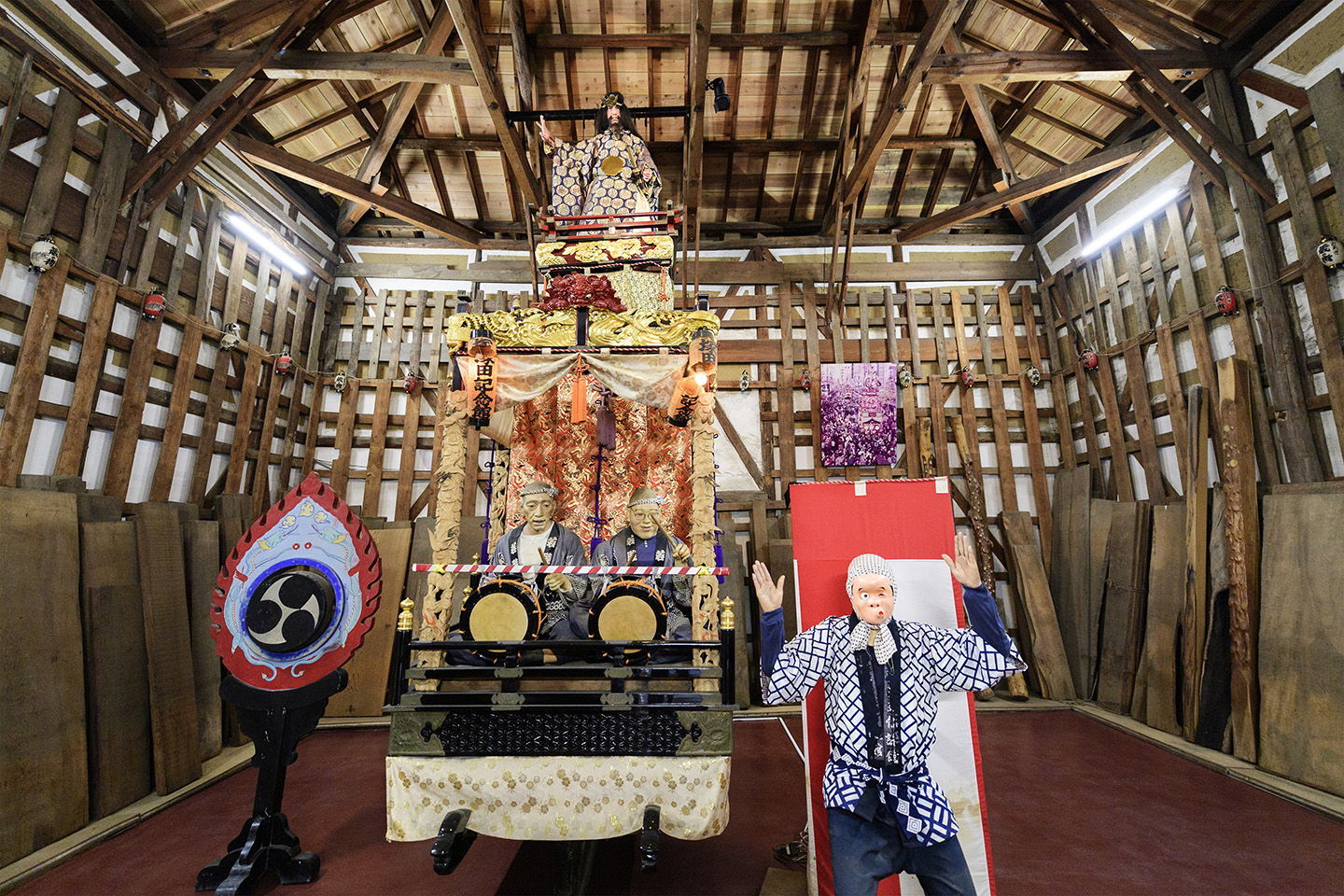
The Tsukada Historical Museum occupies a sprawling timber merchant complex once owned by one of Tochigi's wealthiest trading families, its storehouses and residence arranged around a landscaped garden that shows how a successful Edo-period merchant actually lived and worked. A short walk away, the Dashi Kaikan — the Float Museum — houses several of the towering, gold-and-silver embroidered festival floats used in Tochigi's autumn Akimatsuri, a festival with roots stretching back over 350 years. The floats are extraordinary pieces of craftsmanship, several stories tall and covered in gilded carvings and lacquer work built and maintained by the same merchant families whose warehouses line the river outside.
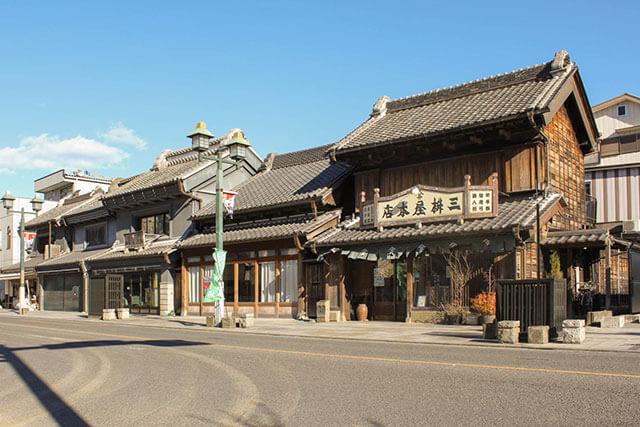
The Kuranomachi Tourism Center, itself housed in a converted merchant warehouse, is the town's best single stop for local food and souvenirs before heading back to Tokyo. Visitors can sample local miso, craft sake from breweries in the surrounding countryside, and pickled vegetables made using recipes passed down through generations of Tochigi households, alongside goods featuring the city's popular mascot character, Tochisuke. The center also functions as an informal introduction to the wider Tochigi region, with displays and staff able to point out lesser-known sights nearby.

Several of Kuranomachi's converted kura warehouses now house small cafés, where the same thick earthen walls that once protected merchant goods shelter a quiet space for tea. A short walk from the Tourism Center, one of these kura cafés serves matcha and hojicha alongside wagashi — traditional Japanese sweets often made with local ingredients, including Tochigi's well-known strawberries in season. It's a slow, unhurried way to close out the day, sitting inside the very architecture the afternoon has been spent admiring from outside, before the walk back to Tobu-Tochigi Station for the ride home.
Every major sight in Tochigi sits within a short, flat walk of the Kuranomachi Promenade, making this one of the easiest and least strenuous day trips on offer — ideal if you'd prefer a gentler pace than a hillier itinerary. Terry handles every ticket and timing so the day flows smoothly between warehouses, river, and museums.
All excursions are private and fully customizable — ensuring you move smoothly at your own ideal pace with Terry.
* Terry's personal transit, admissions & meals are also included — no hidden costs on the day.